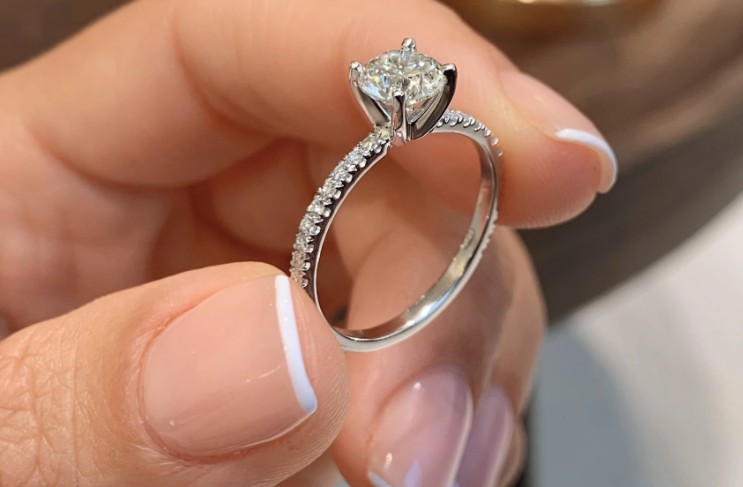

A diamond ring is often judged first by its beauty. The eye goes naturally to the sparkle, the shape of the stone, and the elegance of the setting. Yet when a serious buyer evaluates a diamond ring, the process goes far beyond what is immediately visible. The details that influence value are often quiet, technical, and easy to miss if you do not know where to look.
For anyone planning to sell a diamond ring, understanding these hidden details can make the experience much clearer. A ring is not valued only because it looks beautiful. It is valued by how the diamond performs, how securely it is set, how well the ring has been maintained, and how the piece fits within current market demand. These factors shape the difference between a casual impression and a professional valuation.
How the Diamond Performs Under Real Light
The first hidden detail buyers notice is how the diamond behaves in different lighting conditions. A diamond may look impressive under bright showroom light but appear less lively in natural daylight. Experienced buyers look beyond the first sparkle and observe how consistently the stone reflects light.
Cut quality plays a major role here. A well-cut diamond can appear bright, balanced, and full of movement. A weaker cut may reduce brilliance even if the stone has good size or respectable grading. This is why two rings with similar-looking diamonds can receive different valuations.
Buyers also pay attention to proportion. If the diamond is too deep or too shallow, it may not return light as effectively. These details are not always obvious to the owner, but they can strongly affect how the stone is understood in the resale market.
The Setting Reveals More Than Style
A diamond ring’s setting does more than hold the stone in place. It tells buyers about craftsmanship, durability, and how the ring has aged. A clean, balanced setting can make the diamond appear more refined, while a worn or poorly constructed setting can reduce confidence in the piece.
Buyers look closely at prongs, metal condition, symmetry, and signs of repair. Loose prongs may suggest future maintenance costs. Thin bands or uneven metal wear may affect the ring’s practicality. Even if the diamond itself is valuable, the condition of the setting can influence the final offer.
This is where many sellers are surprised. They may focus only on the stone, while buyers evaluate the ring as a complete object. A strong setting supports value because it makes the piece easier to trust, wear, and potentially resell.
Documentation Can Strengthen Buyer Confidence
Another detail buyers notice is whether the ring comes with supporting documents. Certificates, grading reports, receipts, or previous appraisal records can help clarify the diamond’s identity. Documentation does not create value by itself, but it can reduce uncertainty.
A certified diamond often gives buyers more confidence because key details are already recorded by a recognized authority. Without documents, the ring can still be evaluated, but the buyer may need to inspect the stone more carefully before reaching a conclusion.
For sellers, this is one reason a professional diamond ring evaluation is important. It helps separate assumption from evidence and gives the owner a clearer understanding of how the ring is being assessed. When the process is explained well, the seller does not have to rely only on memory or original purchase price.
Market Appeal Depends on More Than Beauty
A diamond ring may be beautiful and still have different resale potential depending on current market demand. Buyers consider whether the style feels timeless, wearable, and appealing to future owners. A classic solitaire ring may attract wider interest, while a highly personalized design may require a more specific buyer.
Metal color, ring size, setting style, and overall design balance can all affect market appeal. Some rings are easier to resell as complete pieces. Others may be valued more for the diamond itself, especially if the setting is outdated or less adaptable.
This does not mean unusual designs lack value. It simply means buyers must consider how the piece is likely to move in the market. A ring’s resale outcome depends not only on what it is, but also on who may want it next.
Conclusion
The hidden details buyers notice before valuing a diamond ring are often the same details sellers overlook. Light performance, setting condition, documentation, craftsmanship, and market appeal all shape the final assessment. A ring may look beautiful at first glance, but resale value depends on a deeper reading of the entire piece.
For sellers, this knowledge is empowering. It helps explain why valuation is not based only on size, sparkle, or sentimental meaning. A serious buyer looks at how the diamond performs, how the ring has been made, and how confidently the piece can be understood in today’s market.
The best selling experience is one built on clarity. When sellers understand what buyers are really looking for, the process feels less mysterious and more trustworthy. A diamond ring deserves to be evaluated with care, not reduced to a quick impression. And when those hidden details are properly considered, the seller gains more than a price—they gain confidence in the decision they are about to make.