
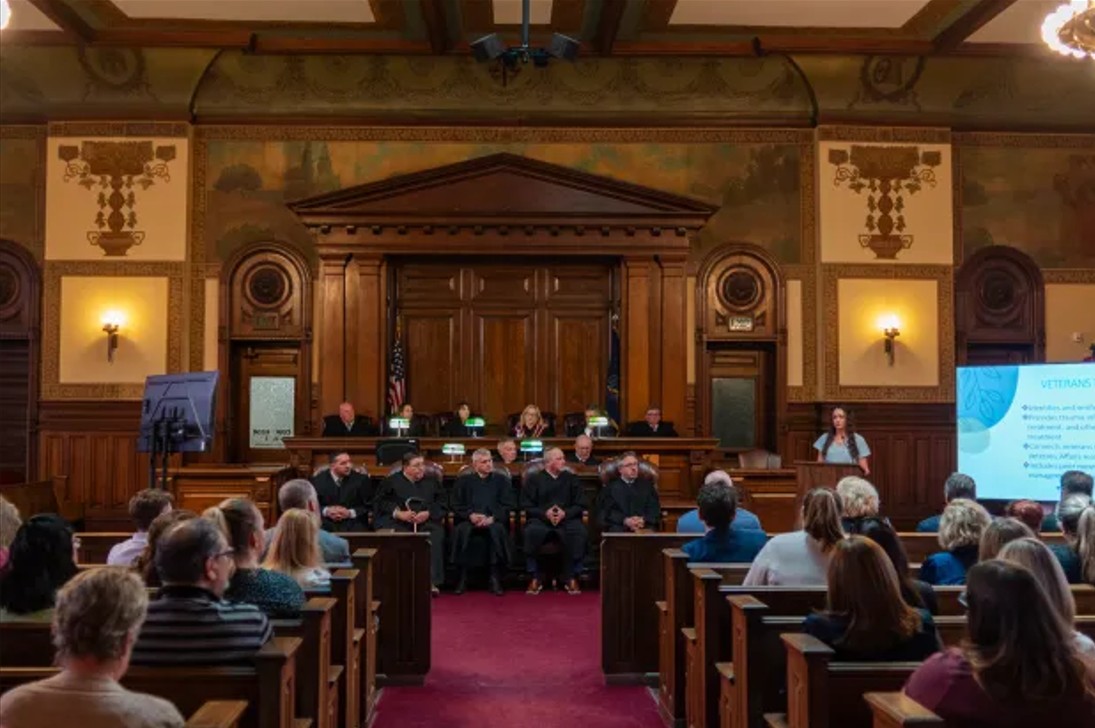
Many people imagine that any criminal prosecution concludes with a fine, probation or jail time. That’s possible. But in other circumstances, things go differently. Kansas City’s Wellness Court provides a way for qualifying individuals to get help for the conditions that led to their legal troubles in the first place. Mental health issues, substance usage or personal challenges are a key factor in criminal activity for many people. Such difficulties may not be solved by traditional punishment. Wellness Court emphasizes therapy, accountability and long-term success. Organizations like Beyond the Bench KC help with these efforts by creating awareness about the significance of rehabilitation and second chances. Their mission is built on a simple idea: when fundamental causes of problems are addressed, communities are safer and stronger.
What Is a Wellness Court?
Wellness Court is part of the larger Kansas City Specialty Courts network. The courts are designed to assist eligible individuals in overcoming the obstacles that lead to criminal behavior. Wellness Court does more than only punish. It combines:
- Judicial Oversight
- Treatment of drug misuse
- Mental health care service
- Drug tests
- Progress reviewed regularly
- Community support
Participants often meet with judges, counselors and case managers. The purpose is straightforward. Assist people in creating positive habits and keeping them accountable for their choices. Think of it like patching a leaking roof. You can keep putting buckets beneath, or you can repair the situation. Wellness Court is about getting to the root.
Why Is Alternative Sentencing Important?
Not every perpetrator is equally at danger. Some people need treatment, not incarceration. Alternative sentencing gives courts more options. These choices can assist individuals in rebuilding their lives and stopping reoffending. Benefits typically include:
- It costs less to incarcerate
- Fewer repeat offenders
- Improved employment outcomes
- Better family relationships
- Improved public safety
Some may be surprised at the last point. But research has found that programs focusing on therapy are often more effective at reducing future criminal conduct than jail alone.
Who Would Be Eligible for Wellness Court?
Eligibility relies on a few things: We review each situation individually. Courts usually turn to:
- Previous convictions
- Type of offence
- Concerns about substance abuse
- Mental health requirements
- Willingness to take part
Not all defendants qualify. Some significant crimes and violent offenses may be refused. Participants also must agree to obey the program rules. Wellness Court demands work, truth, and consistency. This is no simple shortcut. In many ways it can be tougher than regular probation.
How the Program Works
Once accepted, participants enter a structured curriculum. This method generally involves multiple phases. Each phase has particular objectives and criteria. Early stages are frequently focused on stabilization. Participants receive treatment, assessment and frequent testing. Requirements may alter slowly as progress goes on. Participants work towards education, employment and healthier daily habits. The judges are involved in the whole process.” Regular court hearings give participants the opportunity to discuss success and problems. That face-to-face contact is important. It holds people responsible but also encourages them when they fail.
The Role of the Treatment
Treatment is at the heart of Wellness Court. Substance misuse and mental health issues do not just go away. Participants gain practical coping strategies through professional support. Treatment strategies may involve:
- Counseling for Individuals
- Group therapy
- Addiction Recovery Program
- Psychological health care
- Family support services (FSS);
Here’s the tale. Recovery is not a straight line. There are some participants who have setbacks. Wellness Court knows that development is often incremental. We stay committed to learning, growing and working hard.
Accountability Still Counts
When people hear the term “alternative sentencing” they think participants get to dodge repercussions. Wellness Court doesn’t function that way. The participants must meet severe conditions. Sanctions might be for missing appointments, failing drug tests or breaking rules. Judges keep a tight eye on compliance. dedication: Participants need to show dedication throughout the program. The strategy is a mix of assistance and responsibility. Both factors count. Without accountability change becomes difficult. Change for good is even more difficult without help.
Advantages for families and communities
Legal troubles usually do not affect one person alone. Many families have to deal with stress, financial difficulties and uncertainty. “Kids can be particularly vulnerable when a parent is struggling with addiction or mental health problems. If Wellness Court is successful, it might help entire families. Communities gain, too. Fewer recurrent infractions means safer areas and cheaper expenses to the public. This is why community organizations and support groups continue to advocate for Specialty Courts throughout Kansas City.
The Link to Kansas City Specialty Courts
Wellness Court is part of the wider Kansas City Specialty Courts program. Other specialty programs may target veterans’ issues, drug-related offenses, mental health difficulties or family-related issues. Each program is programmed to carry out a specific function. But they have a shared goal: tackling the root causes of criminality. Beyond the Bench KC educates the public about these activities and their good impact. Their work shows how rehabilitation and accountability can work together to provide real benefits.
Coming Up
The criminal justice system is still a work in progress. More communities are starting to realize that punishment alone can’t fix every problem. Wellness Court is an organized road to rehabilitation and accountability. Participants are supported, yet responsible for their decisions. For the right person, it can be a life-changer. It may strengthen families, reduce recidivism and make safer communities around Kansas City. Permanent progress becomes feasible when people deal with the reasons behind criminal behavior. Wellness Court is based on that premise – and why alternative sentencing remains a significant part of the legal system in Kansas City.
Frequently Asked Questions
1. What is the Kansas City wellness court?
Short Answer:
Kansas City Wellness Court is a Specialty Court program that focuses on therapy and accountability.
Detailed Answer:
The program helps qualify individuals with substance misuse, mental health and other issues related to criminal behavior. Treatment plans are completed by participants while under court supervision.
2. Is Wellness Court probation?
Short Answer:
No. Wellness Court is more intense supervision and treatment.
Detailed Answer:
Wellness Court involves counseling, recovery services, regular court appearances and careful surveillance meant to treat the core causes of criminal conduct. Both programs require compliance with court rules.
3. Who is eligible for Wellness Court?
Short answer:
It depends on the person’s case and circumstances for eligibility.
Detailed Answer:
Courts consider criminal history, offense specifics, treatment needs and willingness to engage. Not all defendants are eligible, and acceptance is based on a screening process.
4. Are you breaking the regulations of the program?
Short Answer:
Courts may impose sanctions for violations.
Detailed Answer:
Consequences may include greater monitoring, more therapy, community service, or other fines. Repeated violations can result in removal from the program.
5. How do Kansas City Specialty Courts Decrease Recidivism?
Short Answer:
They focus on underlying causes contributing to criminal behavior.
Detailed Answer:
Specialty Courts blend accountability with treatment and support services. Participants typically obtain techniques to help avoid future legal troubles by addressing addiction, mental health issues and related problems.